Exactly How Assisted Living Can Enhance Safety, Convenience, and Lifestyle
Business Name: BeeHive Homes of Farmington
Address: 400 N Locke Ave, Farmington, NM 87401
Phone: (505) 591-7900
BeeHive Homes of Farmington
Beehive Homes of Farmington assisted living care is ideal for those who value their independence but require help with some of the activities of daily living. Residents enjoy 24-hour support, private bedrooms with baths, medication monitoring, home-cooked meals, housekeeping and laundry services, social activities and outings, and daily physical and mental exercise opportunities. Beehive Homes memory care services accommodates the growing number of seniors affected by memory loss and dementia. Beehive Homes offers respite (short-term) care for your loved one should the need arise. Whether help is needed after a surgery or illness, for vacation coverage, or just a break from the routine, respite care provides you peace of mind for any length of stay.
400 N Locke Ave, Farmington, NM 87401
Business Hours
Choosing the ideal level of assistance for an older adult is rarely a clean, basic decision. Families usually come to the inquiry after a couple of indication: a missed out on drug, a loss in the kitchen, a failed to remember bill, a refrigerator loaded with expired food, or the anxious sensation that somebody who used to be consistent is currently taking threats simply to survive the day. Those minutes can feel small alone. Taken together, they usually point to a larger truth. Living alone might no longer be the most safe or most comfy option.
That is where assisted living often gets in the conversation. For many older grownups, it offers a sensible happy medium between living individually and moving into a nursing center. It provides aid where it is required, while maintaining as much autonomy as possible. The best assisted living neighborhoods understand that older grownups are not seeking to surrender their routines or their identification. They are trying to find assistance that makes normal life simpler, more secure, and extra manageable.
A great neighborhood can transform the rhythm of life in manner ins which are simple to ignore until they are seasoned firsthand. The ideal atmosphere lowers anxiety. It removes friction from daily tasks. It makes it much easier for individuals to move, eat well, remain attached, and get assistance before a small trouble becomes a situation. That combination has actual worth, particularly for households searching for senior care near me and trying to compare alternatives without forgeting what matters most.
Safety is not only concerning emergencies
When individuals hear words safety, they usually think of the significant moments, a loss, a sudden disease, or an immediate journey to the healthcare facility. Those are essential, obviously, yet in assisted living the everyday safeguards matter just as much. A well-run community develops layers of security right into ordinary life.
One of the most apparent advantages is the decrease of environmental risks. Personal homes, particularly older homes, can become difficult to browse with time. Stairways, loosened carpets, poor lighting, narrow restrooms, and chaotic corridors all increase threat. Assisted living areas are normally created with these concerns in mind. Hallways are larger. Shower rooms are easier to gain access to. Grab bars, handrails, and emergency situation phone call systems are more typical. Even details such as non-slip flooring and brighter lighting can make a substantial distinction for somebody with restricted balance or decreasing vision.
Supervision is one more significant aspect. Numerous older grownups do not need continuous clinical oversight, however they do gain from the understanding that somebody is nearby. If a resident does not appear for a meal, staff can sign in. If someone appears perplexed or unusually worn out, that change can be noted early. These small treatments often protect against bigger problems. I have actually seen households eased not due to the fact that their loved one was instantly problem-free, yet because there was ultimately a system in position to see what they could no more monitor from a distance.
Medication management is entitled to unique interest. Missed out on dosages and unintentional dual dosing are among the most typical and most underappreciated dangers in senior care. An older grownup who manages multiple prescriptions may be handling different routines, replenish timing, and adverse effects. In assisted living, team can assist ensure medicines are taken appropriately and promptly. That assistance does greater than boost adherence. It reduces the odds of preventable complications that can lead to complication, lightheadedness, dehydration, or an avoidable medical facility visit.
There is also a quieter yet extremely genuine safety advantage in the social structure of assisted living. Isolation can make emergencies extra hazardous because nobody notices the indications early. A resident who takes out, skips meals, or comes to be unstable might be signifying an issue long prior to a family member reads about it. In a connected area, those signals are more likely to surface area quickly.
Comfort is developed from a hundred small details
Comfort in senior living is not practically soft furniture or pleasant decor, though those assistance. It comes from a daily experience that really feels predictable, convenient, and respectful. That is one reason lots of households start checking out assisted living after a stretch of aggravation at home. They are not always going after luxury. They are chasing ease.
At home, the day can end up being a lengthy chain of jobs. Cooking, cleansing, laundry, bathing, and transport all pile up. For an older adult, that can turn into a continuous drainpipe on power. Also when the individual is identified to remain independent, the effort required can crowd out the components of life that used to bring satisfaction. Assisted living eliminates a portion of that worry. Dishes are prepared. Housekeeping is taken care of. Washing assistance might be offered. Transport to visits or outings is often prepared. That change offers homeowners back a few of their focus and stamina.
The difference can be surprisingly emotional. Many people assume convenience indicates being pampered, but for older grownups it frequently suggests not needing to negotiate every task via tiredness or fear. A resident that no more needs to climb up a cellar stairs to do laundry might sleep far better. Somebody that does not need to fret about preparing a complete supper every evening might eat a lot more constantly. A person who is relieved from the pressure of maintaining a house might uncover time for analysis, discussion, or a walk outside.
Comfort additionally relies on pacing. Good assisted living does not hurry people with the day. It enables routines to settle. Locals can get up at a sensible hour, choose their dishes, participate in activities if they want, and hang around alone when they need quiet. That balance issues. Older grownups do not wish to feel managed like clients all day long. They wish to seem like themselves. The most effective areas respect that distinction.
The psychological convenience of lowered family stress is very easy to ignore too. Adult kids usually end up being caregivers prior to they realize they are doing it. They check in constantly, run errands, bother with nutrition, and try to stay on par with visits. That can strain even close families. Assisted living can recover a few of the connection by shifting the sensible concern to qualified team. Visits become much less about crisis management and more about actual connection.
Quality of life commonly improves when stress goes down
Safety and comfort are important on their own, however the much deeper inquiry is whether a person's lifestyle enhances. Oftentimes, the answer is indeed, and the factor is straightforward. When individuals invest much less power managing fundamental beehivehomes.com memory care near me survival, they have more energy left for living.
Quality of life in later years is not an abstract concept. It appears in small, visible means. A resident that signs up with a publication club due to the fact that it is convenient may begin speaking with neighbors over coffee. Someone that had stopped preparing for themselves might consume routine dishes once again and regain a little strength. An individual who was progressively withdrawn in your home might start participating in songs programs, art sessions, or team exercise courses just since the obstacle to participation is lower.
That social measurement issues greater than lots of households expect. Loneliness is not simply undesirable, it can come to be destructive. It can make people less determined, less active, and most likely to allow their health slide. Assisted living creates opportunities for laid-back get in touch with that are tough to duplicate in your home. A corridor discussion, a shared dish, or a spontaneous group activity can be sufficient to provide the day shape.
There is additionally a crucial dignity element. When older adults struggle with tasks that used to be simple, they commonly hide the problem from household. They might miss bathrooms, wear the exact same clothes consistently, or eat much much less than they should because requesting help seems like defeat. Assisted living can lower that concealed battle. Help is built in, which indicates residents do not have to negotiate every requirement as an individual failure.
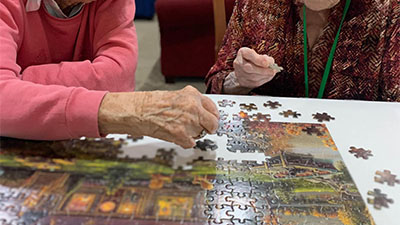
That change can be specifically meaningful for people recuperating from disease, surgery, or an autumn. Throughout recuperation, a home environment might seem familiar however still be unwise. A person may not prepare to live fully independently, yet might not require hospital-level care either. Assisted living can act as a stable bridge during that period. In many cases, respite care fills the void temporarily, providing both the resident and family members a chance to see what degree of support is really required prior to making a longer-term decision.
The ideal fit relies on what type of assistance is needed
Assisted living is not the exact same thing for everyone, and that deserves mentioning simply. Some citizens require assist with showering and clothing however remain socially active and emotionally involved. Others are reasonably independent physically but take advantage of dish assistance, medicine reminders, or a more secure setting. Some areas offer people with moderate memory modifications, while others are much better fit to citizens who do not need specialized dementia care.
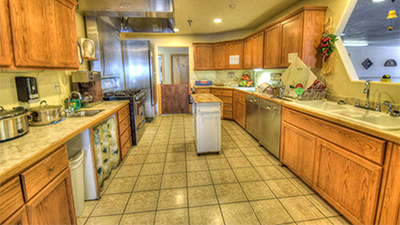
That variation is why households need to look beyond the label. An area that appears exceptional theoretically may not suit the real person that will live there. The structure can be attractive, and the marketing may be polished, yet the day-to-day experience matters more than look. Just how does personnel communicate with homeowners? Are call lights responded to promptly? Do citizens seem kicked back or rushed? Are dishes appetizing and suited to different diet regimens? Exist adequate activities to make the environment really feel to life as opposed to institutional?
In my experience, among the most valuable concerns households ask is whether the community appears to sustain freedom or silently deteriorate it. A strong assisted living setting urges locals to do what they can while actioning in only where needed. That balance protects confidence. If every little thing is done for somebody, they can shed motivation. If absolutely nothing is done for them, they end up being overwhelmed. The ideal center holds the middle.
Families typically search for assisted living near me when an unexpected occasion requires the problem, yet closeness must be just one factor. Close-by is useful, particularly for routine visits and continuous oversight. Still, the ideal fit ought to also consider staffing, regimens, sanitation, meal quality, activity options, and exactly how the community takes care of altering care needs over time.
Families really feel the distinction too
The advantages of assisted living do not stop with the resident. Relative commonly describe a type of mental release once they understand their loved one remains in a much safer area with consistent assistance. That does not eliminate problem, and it should not. Yet it can change consistent caution with a more lasting kind of care.

Many households invest months, occasionally years, in a cycle of concern. They call in the early morning to make certain somebody took medicines. They visit after job to check the fridge. They attempt to keep an eye on weight management, lapse of memory, bruises, or a pile of unpaid bills. That level of oversight is tiring, specifically when siblings differ or reside in different cities. Assisted living does not remove household responsibility, yet it does redistribute the load.
It can also boost family visits. As opposed to utilizing the whole visit to fold laundry, organize prescriptions, and repair safety problems, relatives can sit down for conversation. That alters the psychological appearance of the partnership. Grown-up youngsters typically find their parent in a fuller way, not just as a person they monitor. Grandchildren may feel more relaxed. The resident might really feel less protective. In most cases, the home comes to be a location for connection again, rather than a website of tasks and conflict.
There are harder facts also. In some cases the individual moving into assisted living is regreting. They may feel they have lost your house they developed, the neighbors they recognized, or the freedom they protected. Those sensations deserve respect. Hurrying past them typically backfires. What aids more is honesty. The move is not regarding failing, it has to do with matching assistance to fact. That is a tough change, however commonly a necessary one.
A useful consider daily life inside a community
The concept of assisted living can really feel abstract until you picture a normal day. A resident may get up, shower with help if needed, and head to morning meal without fretting about food preparation. There may be a morning workout class, a religious group, or a visit from a physical therapist. Noontime might bring lunch with neighbors, time for reading, or an arranged consultation with transport prepared by team. In the mid-day, there might be a social activity, a nap, or a peaceful telephone call with family. Supper is prepared, and later on there may be television, card video games, or an evening walk in a safe courtyard.
That day-to-day rhythm is not phenomenal. That is the factor. Stability is powerful. For somebody that has actually spent months really feeling isolated or bewildered, regular predictability can seem like relief.
Of program, not every resident flourishes in the same atmosphere. Some individuals love team dishes and scheduled activities. Others desire more privacy and less organized events. Some areas have a lively, social power that fits outward bound homeowners well, while others are quieter and much better for those that favor reduced stimulation. Picking well suggests recognizing personality along with care needs. The wrong atmosphere can feel aggravating even if the solutions are practically adequate.
This is where visiting a number of neighborhoods assists. A solitary visit rarely tells the entire tale, yet patterns arise if you pay attention. Are homeowners engaged, or simply sitting? Does team consult with heat, or with practiced speed? Does the location really feel tidy without feeling sterilized? You can discover a lot from the tone of a dining-room at lunch.
When assisted living is the ideal move
There is seldom an ideal minute to relocate. Typically there is just a factor when staying put has actually ended up being riskier than transforming course. That limit looks different in every household. Sometimes it follows duplicated falls. Often it comes after a medical facility discharge, when the person is too weak to manage alone. Occasionally the concern is memory, and sometimes it is just that daily life has actually come to be harder than it needs to be.
A step into assisted living is typically the best action when independence is still vital, however home is no longer working safely. It can also be the right action when families are extended slim and no more able to provide the degree of support called for. In those cases, the question is not whether an older adult is entitled to aid. The question is what sort of help will protect the most life, one of the most dignity, and the most stability.
The shift may require time. Arranging possessions, choosing furniture, and getting used to a new regimen are mentally filled tasks. But once cleared up, numerous residents experience a significant renovation in daily functioning. They consume better. They fall less often. They have much easier access to aid. They see even more individuals. They invest less time bothering with what could go wrong.
That does not mean assisted living is the response for everybody. Some older adults remain safely independent with home assistance, household support, or home health and wellness solutions. Others need a greater level of treatment than assisted living can provide. The job is not to compel the label. It is to match the readying to the person honestly.
When that match is right, the change can be extensive. Safety enhances due to the fact that threats are kept track of and decreased. Convenience enhances since day-to-day worries are lightened. Quality of life boosts since the individual has more room to enjoy the day as opposed to managing it. For family members comparing senior living alternatives, that combination is commonly what makes assisted living more than simply a real estate choice. It ends up being a practical way to sustain a much better life.
BeeHive Homes of Farmington provides assisted living care
BeeHive Homes of Farmington provides memory care services
BeeHive Homes of Farmington provides respite care services
BeeHive Homes of Farmington supports assistance with bathing and grooming
BeeHive Homes of Farmington offers private bedrooms with private bathrooms
BeeHive Homes of Farmington provides medication monitoring and documentation
BeeHive Homes of Farmington serves dietitian-approved meals
BeeHive Homes of Farmington provides housekeeping services
BeeHive Homes of Farmington provides laundry services
BeeHive Homes of Farmington offers community dining and social engagement activities
BeeHive Homes of Farmington features life enrichment activities
BeeHive Homes of Farmington supports personal care assistance during meals and daily routines
BeeHive Homes of Farmington promotes frequent physical and mental exercise opportunities
BeeHive Homes of Farmington provides a home-like residential environment
BeeHive Homes of Farmington creates customized care plans as residents’ needs change
BeeHive Homes of Farmington assesses individual resident care needs
BeeHive Homes of Farmington accepts private pay and long-term care insurance
BeeHive Homes of Farmington assists qualified veterans with Aid and Attendance benefits
BeeHive Homes of Farmington encourages meaningful resident-to-staff relationships
BeeHive Homes of Farmington delivers compassionate, attentive senior care focused on dignity and comfort
BeeHive Homes of Farmington has a phone number of (505) 591-7900
BeeHive Homes of Farmington has an address of 400 N Locke Ave, Farmington, NM 87401
BeeHive Homes of Farmington has a website https://beehivehomes.com/locations/farmington/
BeeHive Homes of Farmington has Google Maps listing https://maps.app.goo.gl/pYJKDtNznRqDSEHc7
BeeHive Homes of Farmington has Facebook page https://www.facebook.com/BeeHiveHomesFarmington
BeeHive Homes of Farmington has an YouTube page https://www.youtube.com/@WelcomeHomeBeeHiveHomes
BeeHive Homes of Farmington won Top Assisted Living Home 2025
BeeHive Homes of Farmington earned Best Customer Service Award 2024
BeeHive Homes of Farmington placed 1st for Senior Living Communities 2025
People Also Ask about BeeHive Homes of Farmington
What is BeeHive Homes of Farmington Living monthly room rate?
The rate depends on the level of care that is needed (see Pricing Guide above). We do a pre-admission evaluation for each resident to determine the level of care needed. The monthly rate is based on this evaluation. There are no hidden costs or fees
Can residents stay in BeeHive Homes until the end of their life?
Usually yes. There are exceptions, such as when there are safety issues with the resident, or they need 24 hour skilled nursing services
Do we have a nurse on staff?
Yes. Our administrator at the Farmington BeeHive is a registered nurse and on-premise 40 hours/week. In addition, we have an on-call nurse for any after-hours needs
What are BeeHive Homes’ visiting hours?
Visiting hours are adjusted to accommodate the families and the resident’s needs… just not too early or too late
Do we have couple’s rooms available?
Yes, each home has rooms designed to accommodate couples. Please ask about the availability of these rooms
Where is BeeHive Homes of Farmington located?
BeeHive Homes of Farmington is conveniently located at 400 N Locke Ave, Farmington, NM 87401. You can easily find directions on Google Maps or call at (505) 591-7900 Monday through Sunday 9:00am to 5:00pm
How can I contact BeeHive Homes of Farmington?
You can contact BeeHive Homes of Farmington by phone at: (505) 591-7900, visit their website at https://beehivehomes.com/locations/farmington/,or connect on social media via Facebook or YouTube
Salmon Ruins Museum offers archaeological exhibits and scenic surroundings suitable for planned assisted living, senior care, and respite care enrichment trips.